
Exploring the Benefits of Reiki and Its Application in Water Healing
- Péa Borba

- Mar 20
- 4 min read
Reiki is a healing practice that has gained attention for its gentle, non-invasive approach to wellness. Many people wonder what benefits Reiki offers and whether it can be applied beyond direct human touch, such as in water healing. This post explores the advantages of Reiki and explains how Reiki energy can be infused into water, offering practical insights for those curious about this holistic method.
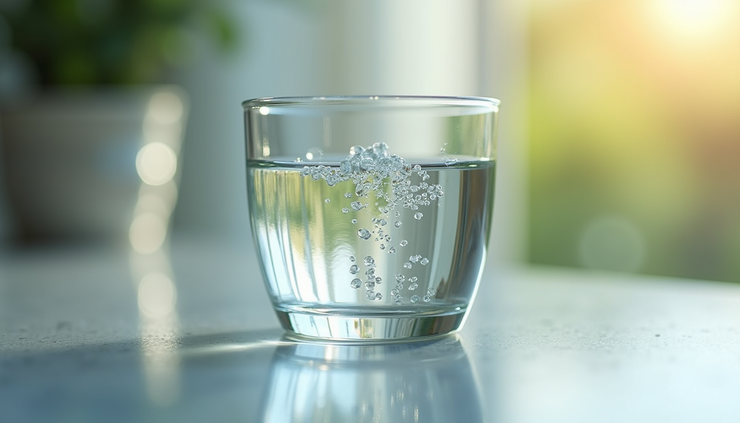
Reiki energy can be transferred to water, enhancing its potential for healing and relaxation.
What Is Reiki and How Does It Work?
Reiki is a Japanese technique developed in the early 20th century by Mikao Usui. It involves channeling universal life energy through the hands of a practitioner to promote physical, emotional, and spiritual healing. The word "Reiki" combines two Japanese words: rei meaning universal, and ki meaning life energy.
The practice is based on the idea that this energy flows through all living things. When energy flow is blocked or low, it can lead to discomfort or illness. Reiki aims to restore balance by clearing these blockages and increasing energy flow.
Unlike massage or physical therapy, Reiki does not require physical manipulation. Practitioners lightly place their hands on or just above the body, allowing energy to flow where it is needed. This gentle approach makes Reiki accessible to people of all ages and health conditions.

Key Benefits of Reiki
Reiki offers a range of benefits that support overall well-being. Here are some of the most commonly reported advantages:
Stress Reduction and Relaxation
Reiki induces a deep state of relaxation, helping to reduce stress hormones like cortisol. This calming effect supports mental clarity and emotional balance.
Pain Relief
Many people experience relief from chronic pain, headaches, and muscle tension after Reiki sessions. The energy flow can help reduce inflammation and promote healing.
Improved Sleep Quality
By calming the nervous system, Reiki can improve sleep patterns and help with insomnia.
Emotional Healing
Reiki supports emotional release and helps manage anxiety, depression, and trauma by restoring energetic balance.
Enhanced Immune Function
Some studies suggest Reiki may boost immune response, helping the body fight illness more effectively.
Support for Recovery
Reiki can complement medical treatments by speeding recovery from surgery, injury, or illness.
These benefits come from the holistic nature of Reiki, which addresses the whole person rather than just symptoms.
Can Reiki Be Added to Water?
One intriguing application of Reiki is its use with water. Water is a powerful medium because it naturally holds and transmits energy. Reiki practitioners often use water as a tool to extend healing beyond direct sessions.
How Reiki Water Is Created
To add Reiki to water, a practitioner channels Reiki energy into a container of water by placing their hands over or near it. This process usually takes a few minutes. The intention is to infuse the water with healing energy, which can then be consumed or used externally.
Practical Uses of Reiki Water
Drinking Reiki Water
Drinking water charged with Reiki energy may help promote hydration and support the body's natural healing processes. Some people report feeling more energized or balanced after drinking Reiki water.
Baths and Skin Care
Adding Reiki water to a bath can enhance relaxation and soothe the skin. It may also be used in sprays or compresses for localized healing.
Plant Care
Reiki water can be used to nourish plants, supporting growth and vitality by transferring positive energy.
Meditation and Rituals
Reiki-infused water can be part of meditation practices or spiritual rituals, helping to deepen focus and connection.
Scientific Perspective
While scientific research on Reiki water is limited, the concept aligns with studies on water's ability to hold energy and information. For example, research on structured water and the effects of intention on water molecules suggests that water can be influenced by energetic practices.
Reiki water is safe to use and can be a simple way to incorporate Reiki into daily life without a full session.
Tips for Using Reiki Water Safely and Effectively
If you want to try Reiki water, consider these practical tips:
Use clean, filtered water to ensure purity.
Store Reiki water in glass containers away from direct sunlight.
Drink Reiki water within a few days for best energetic effect.
Combine Reiki water with mindful breathing or meditation to enhance benefits.
Avoid relying solely on Reiki water for serious medical conditions; use it as a complementary practice.
How to Learn Reiki and Start Practicing
If Reiki and Reiki water interest you, learning Reiki can deepen your understanding and ability to use this energy healing method. Reiki training usually involves three levels:
Level 1 focuses on self-healing and healing others through hands-on techniques.
Level 2 introduces distance healing and symbols to enhance energy flow.
Level 3 (Master level) prepares practitioners to teach Reiki to others.
Many Reiki courses include guidance on using Reiki with water and other elements. Practicing regularly helps develop sensitivity to energy and improves healing skills.
Real-Life Examples of Reiki and Reiki Water Benefits
A woman with chronic migraines found that regular Reiki sessions reduced the frequency and intensity of her headaches. She also drank Reiki water daily, which helped her feel calmer and more balanced.
A gardener used Reiki water to nourish her plants, noticing healthier growth and more vibrant blooms compared to untreated plants.
A man recovering from surgery combined Reiki sessions with Reiki water baths, reporting faster healing and less pain.
These examples show how Reiki and Reiki water can support physical and emotional health in practical ways.

Comments