
Exploring the Transformative Power and Benefits of Sound Baths
- Péa Borba

- Mar 12
- 3 min read
Sound baths have gained attention as a unique way to relax, heal, and restore balance. These sessions use soothing sounds from instruments like singing bowls, gongs, and chimes to create an immersive experience. Many people find sound baths help reduce stress, improve focus, and promote emotional well-being. This post explores how sound baths work, their benefits, and what to expect during a session.
How Sound Baths Work
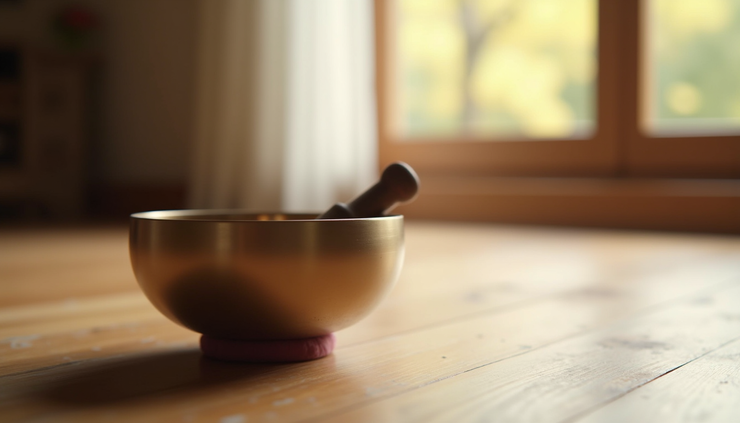
Sound baths use vibrations and tones to influence the body and mind. When you lie down or sit comfortably, the sounds wash over you, creating a meditative state. The instruments produce frequencies that can slow brain waves, encouraging relaxation similar to deep meditation or light sleep.
The vibrations from instruments like Tibetan singing bowls or gongs resonate through the body. This resonance can help release tension in muscles and calm the nervous system. The experience is often described as immersive, where the listener feels enveloped by sound.
Benefits of Sound Baths
People attend sound baths for many reasons, and research supports several benefits:
Stress Reduction
The calming sounds help lower cortisol levels, the hormone linked to stress. Participants often report feeling less anxious and more peaceful after a session.
Improved Sleep
Sound baths can promote better sleep quality by encouraging relaxation and reducing mental chatter before bedtime.
Enhanced Focus and Clarity
The meditative state induced by sound can clear the mind, making it easier to concentrate afterward.
Emotional Release
Some people experience emotional breakthroughs during sound baths, as the vibrations help unlock stored feelings.
Pain Relief
While not a replacement for medical treatment, some participants find relief from chronic pain or headaches through the deep relaxation sound baths provide.
What to Expect During a Sound Bath
If you are new to sound baths, here is what a typical session looks like:
Setting
Sessions usually take place in quiet, comfortable spaces. You may lie on a yoga mat or sit in a chair. Blankets and pillows are often provided for extra comfort.
Duration
Most sound baths last between 30 to 60 minutes.
Instruments
The facilitator plays various instruments, including crystal or metal singing bowls, gongs, tuning forks, and chimes.
Experience
You simply relax and listen. It’s normal to feel drowsy or experience waves of different emotions. Some people even fall asleep.
After the Session
Many feel refreshed and calm. It’s a good idea to drink water and take a few moments to ground yourself before returning to daily activities.

Practical Tips for Getting the Most from a Sound Bath
To fully benefit from a sound bath, consider these tips:
Wear Comfortable Clothing
Loose, soft clothes help you relax fully.
Arrive Early
Give yourself time to settle in and disconnect from distractions.
Keep an Open Mind
The experience can be different each time. Avoid expectations and allow yourself to be present.
Stay Hydrated
Drinking water before and after supports your body’s response to the vibrations.
Practice Regularly
Like meditation, sound baths can have stronger effects with consistent practice.
Who Can Benefit from Sound Baths?
Sound baths suit many people, including those who:
Feel overwhelmed by daily stress
Struggle with sleep issues
Want to deepen meditation practice
Experience muscle tension or headaches
Seek emotional balance and mental clarity
While sound baths are safe for most, people with certain medical conditions like epilepsy or severe hearing loss should consult a healthcare provider before attending.


Comments